
For many people, the summer holidays bring the challenge of balancing work and family into sharper focus.
It may be the school run, childcare, caring responsibilities, or simply wanting more control over how the working week is structured. Whatever the reason, flexibility often becomes an important part of the conversation when people start exploring franchise ownership.
Of course, no franchise is automatically “family-friendly”. Every business requires commitment, planning and consistent effort. The key is to understand how each model operates and whether its working pattern could fit alongside your wider responsibilities.
Here are seven types of franchise models worth exploring.
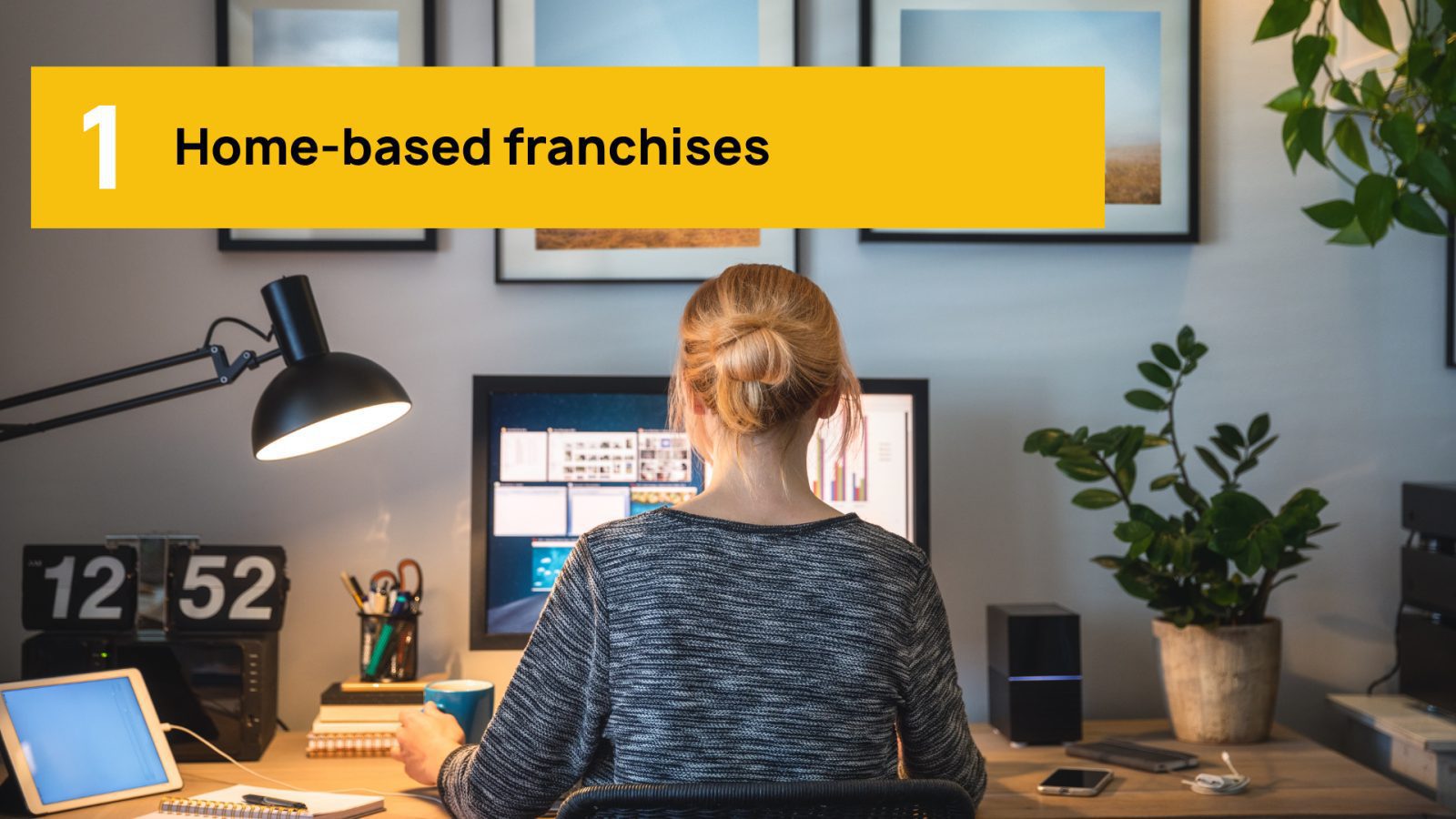
Home-based franchises can reduce the need for daily commuting and may offer more control over where administrative work is completed.
Depending on the business, the role might involve consultancy, recruitment, marketing, business services, tutoring or customer support.
The appeal is clear, but working from home still requires boundaries. Calls, deadlines and customer expectations do not disappear simply because the business is based at home. A dedicated workspace and a realistic weekly routine can make a significant difference.
This type of model may suit people who enjoy managing their own schedule and are comfortable working independently.

A mobile franchise takes the service directly to the customer.
This could include property maintenance, repairs, cleaning, pet services, automotive services or other practical, territory-based businesses.
For some owners, a van-based model can offer a clearer working day than a fixed retail location. Appointments can often be planned in advance, travel may be kept within a local territory, and there may be less reliance on permanent premises.
However, the role may involve early starts, physical work and time on the road. It is important to consider whether the day-to-day activity suits your skills, energy levels and family routine.
Franchises in education, children’s activities, tutoring, care and family services can be particularly appealing to people with relevant professional or personal experience.
These businesses often provide work that feels purposeful and closely connected to the local community.
They may also follow school terms or operate mainly at particular times of day. That can work well for some families, although school holidays and weekends may be the busiest periods for others.
Understanding the seasonal pattern of demand is essential before deciding whether the schedule is right for you.

Hybrid franchises combine different types of work.
Part of the week might be spent at home handling administration, marketing or customer enquiries. The rest could involve client visits, networking, team meetings or delivering the service.
This variety can be attractive for people who do not want to spend every day in the same environment.
A hybrid model can also provide some control over how the week is organised, but it still requires structure. Travel, appointments and business development need to be planned carefully so that work does not spill unpredictably into family time.

Some franchises experience clear peaks and quieter periods across the year.
These may include outdoor services, events, tourism-related businesses, education, children’s activities or businesses linked to weather and seasonal demand.
A seasonal model can suit owners who are comfortable planning around a changing workload. Quieter periods may provide more time for family, training or business development, while peak periods may require longer hours and additional support.
It is important to assess the full commercial year, not just the quietest or most appealing part of it.

Not every franchise operates during the traditional nine-to-five working day.
Some businesses are delivered in the evening, overnight or early in the morning. This may include commercial cleaning, care services, logistics, security-related services or support for customers operating outside standard office hours.
Alternative working hours can suit households where responsibilities are shared across different parts of the day.
However, they can also affect sleep, weekends and family routines. The practical impact should be considered carefully before moving forward.
Some service-based franchises can work with customers across a wider geographic area, including internationally.
These models may rely on online meetings, digital delivery, specialist knowledge or remote account management rather than a fixed local customer base.
For the right person, this can create more freedom over where work is carried out. It can also open the door to a broader range of clients and markets.
That said, international work may involve different time zones, cultural considerations and additional legal or financial requirements. Appropriate professional guidance may be needed where a business operates across borders.
Finding the right working pattern
The strongest franchise opportunity is not simply the one that appears most flexible.
It is the one where the operating model, time commitment and responsibilities are compatible with your skills, financial expectations and wider life.
Before making any decision, consider:
- The hours you can realistically commit
- When the business is likely to be busiest
- Whether travel is involved
- How much customer contact the role requires
- Whether the work can be planned in advance
- What level of income the business needs to generate
- What support the franchisor provides
A clear understanding of these points can help you focus your search and avoid pursuing opportunities that are unlikely to suit your circumstances.
At PartnerWise Franchise, we help prospective franchisees explore the different models available and think carefully about what may fit their experience, ambitions and responsibilities.
If you are considering franchise ownership and would like to explore suitable opportunities, get in touch with the PartnerWise Franchise team for an initial conversation.